


Inflammation has become arguably the most overused health buzzword today. One day, people blame gluten for inflammation; the next, seed oils; and by the weekend, it’s your mobile phone. The reality is less sensational and more intriguing. Inflammation isn’t inherently harmful.
Your body employs it similarly to how a city uses emergency services to contain issues, repair damage, and restore order. According to medical sources such as StatPearls, inflammation is a fundamental survival mechanism. Without it, even minor issues like a cut or the flu could be life-threatening. Problems occur when the system fails to shut down. When the body persistently emits faint emergency sirens in the background every day, this gradual process is known in science as chronic inflammation, and it links to almost every lifestyle disease we see today.
What Is Inflammation?
Inflammation is your body’s reaction to illness, injury, or foreign substances like germs or toxins. It’s a vital and natural process that helps your body recover. For instance, a fever indicates that your inflammatory system is functioning properly when you’re sick.
When an invader, such as a virus, tries to enter your body, or if you sustain an injury, your immune system dispatches its initial defenders. These include inflammatory cells and cytokines, which promote the recruitment of additional inflammatory cells. They initiate an inflammatory response to contain germs or toxins and begin repairing damaged tissue. Inflammation may lead to pain, swelling, or discolouration, indicating your body is healing. Normally, inflammation should be mild, and pain should not be severe.
Types of Inflammation:
-
Acute inflammation
It acts as your body’s emergency response. When you cut your finger, sprain an ankle, or get an infection, inflammatory cells rapidly arrive at the site. Blood flow increases, causing warmth, swelling, and pain that signal you to rest. Infections like strep throat or the flu can briefly cause inflammation in your throat or gut. Typically, this type of inflammation resolves within hours or days, as the body turns off the response once the threat is eliminated.
-
Subacute inflammation
This is a less-known stage that occurs between acute and chronic inflammation, lasting about 2-6 weeks. During this phase, the emergency response has decreased, but healing continues. It follows events such as sprains, infections, injuries, or surgeries where recovery is underway but not yet complete. The body still releases inflammatory chemicals, albeit in lower quantities, to support tissue healing and remodelling. People often mistake this for “slow healing,” but, biologically, it is a normal part of the process.
Acute and subacute inflammation both have recognisable signs.
Pain may be continuous or occur only when the area is touched, because inflammatory chemicals sensitise nerve endings.
Redness – increased blood supply makes the area look red or flushed.
Swelling – fluid build-up leads to edema, creating a puffy or enlarged appearance.
Heat – warm skin when blood flow increases.
Loss of function – joints become stiff, swelling limits movement, breathing may feel heavy in respiratory infections, or smell may be reduced in sinus inflammation.
These signs are normal, predictable, and tied to healing. The body is telling you, “I’m fixing something, stay patient.”
-
Chronic inflammation
This behaves differently: the immune system constantly releases inflammatory cells even when there is no real threat, like an alarm that never stops ringing. In autoimmune diseases such as rheumatoid arthritis, the immune system wrongly targets the body’s own tissues. However, chronic inflammation is not only associated with autoimmunity; it can also last due to ongoing stress, insufficient sleep, sedentary lifestyles, a compromised gut barrier, and diets high in processed foods, resulting in low-grade inflammation that can persist for months or even years.
Chronic inflammation often lacks obvious symptoms, so the five classic signs, like redness, heat, and swelling, are absent. Instead, it manifests subtly through symptoms like fatigue, cravings, stubborn weight gain, bloating, achy joints, low mood, or skin flare-ups, quiet signs that people may overlook for years.
Researchers associate this ongoing low-level inflammation with various conditions, including metabolic disorders, fatty liver disease, high triglycerides, insulin resistance, IBS, joint degeneration, PCOS-related problems, and potential long-term cognitive effects.
How Do We Measure Inflammation?
You can’t always feel inflammation, but you can measure it.
- CRP (C-reactive protein) is the most common test. A high CRP level indicates higher inflammation.
- Hs-CRP is more sensitive, especially for assessing heart risk.
- ESR measures how fast red blood cells settle; a faster rate suggests more inflammation.
- Ferritin also increases during inflammation (not just in cases of iron overload).
- IL-6 and TNF-alpha are inflammation cytokines (mainly used in research or specific clinical cases).
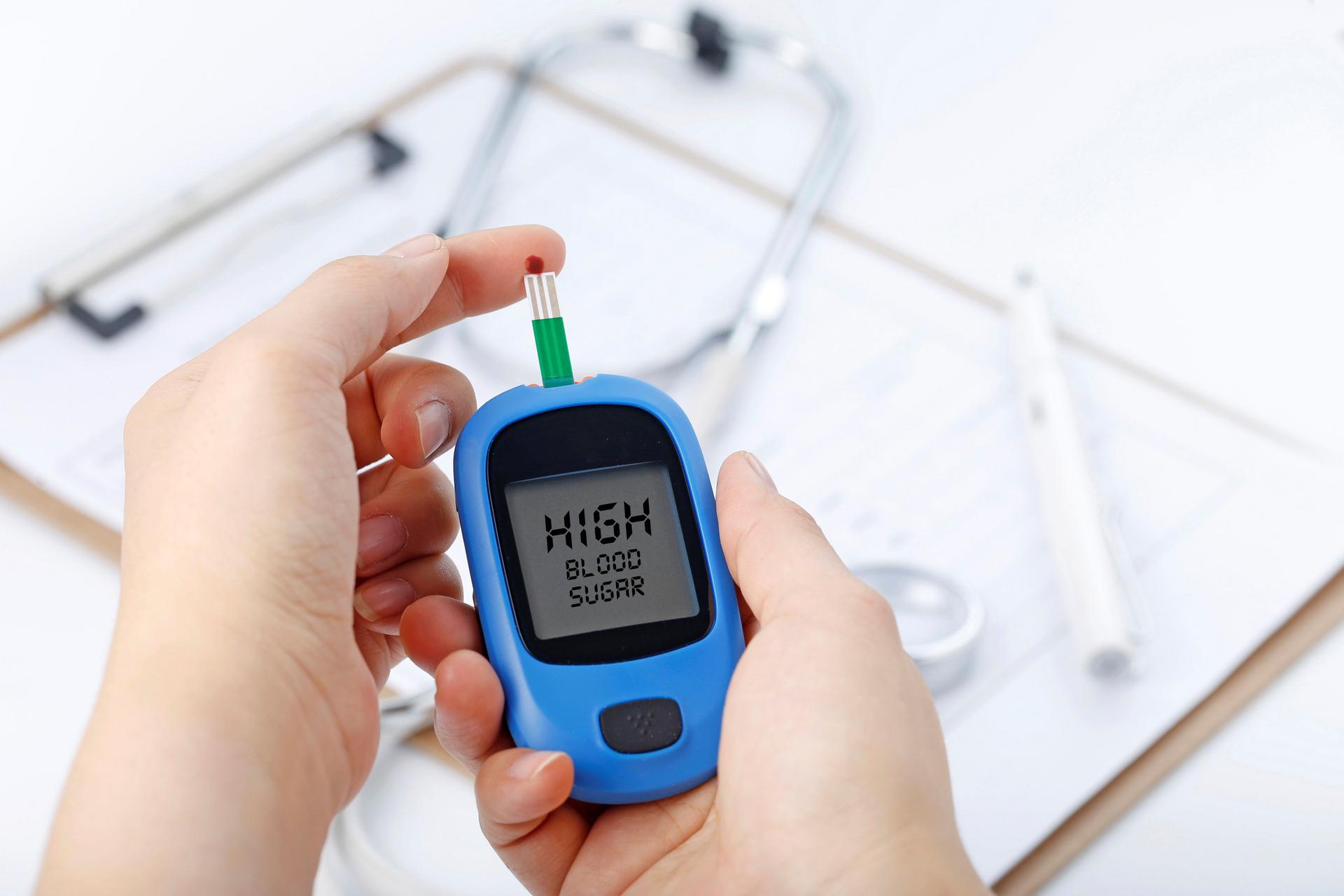
- Blood sugar and triglycerides are not direct markers, but chronically high levels strongly correlate with low-grade inflammation.
Most people don’t need every test. Combining CRP/hs-CRP, metabolic markers, and symptoms provides a very accurate picture.
What Drives Chronic Inflammation?
There’s no single enemy. It builds up over the years from everyday habits.
-
Long-term diet patterns
Diets high in refined flour, sugar, deep-fried foods, processed snacks, low fibre, and insufficient omega-3s can lead to inflammation. These eating habits disturb gut bacteria and increase levels of inflammatory cytokines.
In contrast, many studies show foods high in omega-3s help resolve inflammation.
-
The gut barrier
Your gut lining is extremely thin. Factors such as alcohol, chronic stress, low fibre intake, infections, or ultra-processed foods can weaken it, allowing microscopic bacterial fragments to escape into the bloodstream. The immune system perceives these fragments as threats, leading to ongoing inflammation. This condition, called metabolic endotoxemia, is supported by research.
-
Lack of sleep
A study showed that even a single night of poor sleep increases inflammatory markers such as IL-6 and CRP. Another meta-analysis showed that inadequate sleep over several months can lead the body towards chronic inflammation.
-
Chronic stress
Long-term stress disrupts immune regulation. Cortisol remains elevated, inflammatory signals change, and the system becomes irritable. This is well supported by studies.
-
Sedentary lifestyle
Movement functions much like an internal anti-inflammatory remedy. Exercise decreases inflammatory cytokines, improves immune cell quality, and enhances repair pathways.
-
Ageing
As we age, the immune system shifts, a process known as “inflammaging.” However, lifestyle significantly affects how pronounced this increase is.
How Chronic Inflammation Shows Up in Daily Life
Instead of traditional swelling and redness, chronic inflammation manifests subtly through everyday frustrations such as:
- Low energy.
- Unstable digestion.
- Frequent colds.
- Sugar cravings.
- Stiff joints.
- Brain fog.
- Unrefreshing sleep.
- Persistent belly fat.
- Mood swings.
- Slow recovery after workouts.
Most people ignore these for years because they don’t look like “inflammation” in the traditional sense.
Practical Steps to Reduce Chronic Inflammation
Eat more real food, less packaged stuff.
Focus on patterns rather than perfection. Fill half your plate with fruits and vegetables, and divide the remaining space between whole grains and a protein source. This approach provides antioxidants, fibre, and consistent energy, which help reduce inflammation.
Include Protein with every meal.
Protein does more than build muscle; it helps stabilise blood sugar, supports tissue repair, and controls cravings. All these effects indirectly reduce inflammation. When blood sugar is balanced, there are fewer spikes and crashes, which research shows are associated with lower levels of inflammatory cytokines. Regular protein intake also enhances recovery from daily wear and tear, exercise, and stress. The Framingham Heart Study Offspring cohort concluded that protein intake was inversely associated with changes in the inflammation and oxidative stress score
Add omega-3s a few times a week.
Eat fish twice a week if you consume non-veg, or include flaxseed, chia, algae powder, or walnuts daily if you’re vegetarian. These aid the body in completing the inflammatory cycle rather than leaving it unfinished.
Support your gut every day.
Eating a fruit, a vegetable, and one serving of dal, curd, or fermented food daily helps strengthen the gut lining. A healthier gut leads to a calmer immune system.
Move your body daily.
Walk after meals, take the stairs, and do 20 minutes of simple exercises 3-4 times a week. Movement clears inflammatory waste and improves blood sugar control.
Sleep like it’s part of your treatment plan.
Maintain regular bedtimes, keep the room darker, and reduce screen time before sleep. Good sleep can quickly lower inflammatory markers.
Lower stress in small daily doses.
Five minutes of deep breathing, a quick walk, stretching, or journaling can help signal your nervous system to calm down and switch off the alarm.
Cut down processed foods, don’t eliminate them.
Ultra-processed foods can irritate your gut and cause blood sugar spikes if consumed frequently. Keep them as an occasional treat, not a daily habit.
Watch your alcohol and sugar.
These two are the quickest to elevate inflammatory markers. Reducing them by just 30-40% can lead to rapid improvements.
To conclude, we can say that inflammation isn’t a villain hiding inside your body; it’s feedback. It shows you how your daily habits, stress levels, sleep routine, and food choices influence your internal environment. When you change those habits, even just a little and consistently, your body responds quickly.
Eat a bit better, move a bit more, sleep a bit more deeply, stress a bit less and inflammation shifts from something that quietly drains you… to a system that protects and heals you.
The aim isn’t perfection. It’s paying attention, one day at a time.
FAQs on Inflammation
- Is inflammation always harmful?
No. Inflammation is your body’s natural healing response. It becomes a problem only when it stays activated for months or years, leading to chronic inflammation. - What is the difference between inflammation and infection?
Bacteria, viruses, or other pathogens cause infection.
Inflammation is your immune system’s reaction to those pathogens or to injury, toxins, stress, or poor lifestyle habits. You can have inflammation without infection, and infection always triggers inflammation. - Can chronic inflammation be reversed?
Yes. Research shows that improving diet, sleep, movement, gut health, and stress levels can significantly reduce markers of inflammation, such as CRP and IL-6. Consistency matters more than perfection. - What foods increase inflammation?
Patterns matter more than single foods. Diets high in ultra-processed foods, sugar, refined flour, unhealthy trans fats, and excessive alcohol tend to increase inflammation over time. - What foods help reduce inflammation?
Colourful fruits and vegetables, dal, beans, whole grains, nuts, seeds, curd, fermented foods, and omega-3-rich options like fish, flaxseed, and walnuts help calm inflammation. - How do I know if I have chronic inflammation?
Many signs are subtle: constant fatigue, bloating, frequent colds, sugar cravings, stiff joints, brain fog, slow recovery, or stubborn weight gain. Blood tests like CRP or hs-CRP help confirm it. - What are the best tests for inflammation?
CRP and hs-CRP are the most widely used. ESR, ferritin, IL-6, and TNF-alpha give additional information in specific cases. Metabolic markers, such as fasting glucose and triglycerides, also correlate with inflammation. - Does exercise reduce inflammation or increase it?
Both, but in a helpful way. A workout causes short-term inflammation (normal), but regular exercise lowers chronic inflammation and improves immune function. - Can stress really cause inflammation?
Yes. Chronic stress keeps cortisol high and disrupts immune signalling. Over time, this raises inflammatory markers and affects sleep, digestion, and metabolism. - How long does it take to reduce chronic inflammation?
Most people see improvements in 4-12 weeks when they consistently support sleep, diet, movement, and stress. Blood markers like CRP may take a few months to drop.