


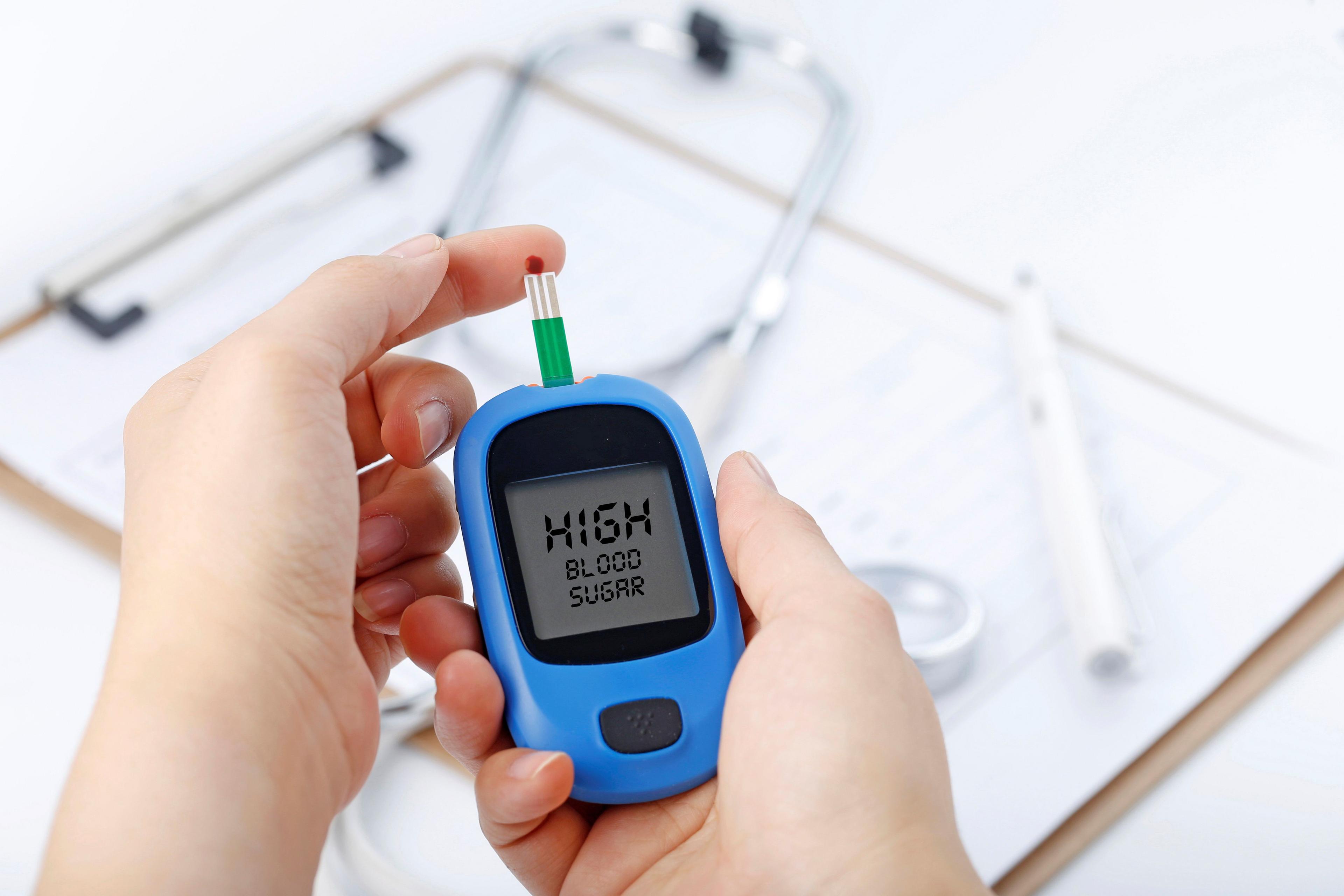
What Is Insulin Resistance?
Ever feel like your energy crashes out of nowhere or your cravings run the show? Well, there’s a good chance insulin resistance could be playing a role.
Insulin resistance (IR) is a condition in which the body’s cells do not respond properly to insulin, the hormone that helps move glucose from the bloodstream into cells to be used for energy.
In simple terms, your body continues to produce insulin after you eat, but your cells do not respond efficiently, so glucose cannot enter them easily, and it builds up in the blood.
To manage this, the body releases even more insulin to force glucose into cells, but over time, this constant overproduction disrupts normal metabolism and puts stress on multiple systems.
As this pattern continues, cells become even less responsive, blood sugar levels rise more frequently, and the risk of conditions like type 2 diabetes and hormonal imbalances increases.
What Does Insulin Do in the Body?
Insulin is a hormone produced by the pancreas that plays a central role in managing how your body uses and stores energy from the food you eat. Insulin acts like a key. It unlocks your cells so glucose (sugar) from your bloodstream can enter and be used for energy.
After you eat a meal, carbohydrates break down into glucose and enter the bloodstream, causing a blood sugar spike, which signals the pancreas to release insulin to shuttle glucose out of the blood and into the body’s cells. Liver & muscles. When those stores are full, it supports the conversion of excess energy into fat for long-term storage.
At the same time, insulin acts as a regulator, preventing blood sugar levels from rising too high after meals and from dropping too low between meals, keeping energy levels stable throughout the day.
What Happens During Insulin Resistance?
In IR, cells in your muscles, liver, and fat tissue no longer respond properly to insulin, even when insulin levels are adequate or elevated. Consequently, glucose cannot enter cells efficiently and remains in the bloodstream longer, rather than being used for energy.
To compensate for insulin resistance, the pancreas produces more insulin and releases larger amounts after each meal, attempting to help glucose enter the cells.
Over time, this compensation leads to elevated insulin levels in the blood, a condition known as hyperinsulinemia. This state further worsens insulin resistance and interferes with normal metabolic signalling.
As insulin resistance progresses, blood sugar levels rise more often, especially after meals, because the body can no longer maintain tight glucose control despite producing more insulin. This promotes increased fat storage, particularly in the abdominal region, because insulin signals the body to store energy rather than burn it.
This combination of high insulin, rising blood sugar, and increased fat storage creates a metabolic environment that makes fat loss more difficult and energy regulation less efficient.
According to the National Institute of Diabetes and Digestive and Kidney Diseases, insulin resistance often develops gradually over several years, and many people remain unaware of it until it progresses to prediabetes or type 2 diabetes.
Why It’s More Common Than You Think
Insulin resistance has become increasingly common, yet many people remain unaware of it because the condition develops slowly and often shows no obvious symptoms in its early stages.
In insulin resistance, the body first responds by producing extra insulin, which helps keep blood sugar levels normal and masks the underlying problem. As a result, people might feel generally “fine” even as insulin resistance gradually worsens, affecting metabolism, energy, and fat storage over time.
Because insulin resistance does not show up clearly without specific testing, many people only discover it when it has already progressed to prediabetes, type 2 diabetes, or related conditions such as PCOS and cardiovascular risk.
What Causes Insulin Resistance?
Poor Diet and Processed Foods
Diets rich in added sugars, refined carbohydrates, and ultra-processed foods elevate insulin demand due to rapid post-meal blood glucose spikes. Over time, this sustained demand can lead to insulin resistance by diminishing cell responsiveness to insulin. A Study by DiNicolantonio, James J, and James H O’Keefe associates high consumption of refined carbs and sugary foods with decreased insulin sensitivity and metabolic issues.
Lack of Physical Activity
Physical inactivity impairs skeletal muscle’s ability to absorb and utilise glucose, increasing the body’s reliance on insulin to control blood sugar. Regular movement boosts glucose uptake via both insulin-dependent and independent pathways, directly enhancing insulin sensitivity. A 2025 meta-analysis clearly indicates that even brief exercise interventions can markedly improve insulin signalling.
Obesity and Belly Fat
Excess abdominal fat, especially visceral fat around internal organs, releases inflammatory cytokines and free fatty acids that disrupt insulin signalling. Choo, Yi Ning et al. clearly showed that insulin resistance caused by obesity is driven by adipose tissue dysfunction, inflammation, and oxidative stress.
Genetics and Family History
Genetic predisposition influences how the body produces and responds to insulin. Therefore, individuals with a family history of type 2 diabetes face a higher risk of developing insulin resistance. Genes load the gun, but habits pull the trigger.
Hormonal imbalances
Polycystic ovary syndrome and thyroid disorders affect insulin signalling and glucose metabolism, raising the risk of insulin resistance. In conditions such as PCOS, high insulin levels can interfere with reproductive hormones, forming a feedback loop that damages both metabolic and hormonal health. Studies show it can affect Growth Hormone, too.
Chronic Stress and Poor Sleep
Chronic stress raises cortisol levels, leading to increased blood glucose and a greater reliance on insulin to maintain balance. Lack of sleep further impairs glucose regulation by reducing insulin sensitivity and disrupting the regulation of hunger hormones, potentially leading to increased calorie intake and weight gain. A 2022 Systematic review concludes that there is a clear association between sleep deprivation and insulin resistance.
Common Symptoms of Insulin Resistance
- Constant fatigue and low energy, even after meals.
- Sugar cravings and frequent hunger.
- Weight gain, especially around the abdomen.
- Brain fog and difficulty concentrating.
- Dark skin patches known as Acanthosis Nigricans often appear around the neck or armpits.
- High blood pressure and abnormal cholesterol levels.
How Is Insulin Resistance Diagnosed?
Insulin resistance does not show obvious symptoms in its early stages, so doctors rely on simple blood tests and calculations to identify it and assess how well your body is managing blood sugar and insulin levels.
Blood Tests
Doctors typically check:
- Fasting glucose
- Fasting insulin
- HbA1c
HOMA-IR Score
This calculation estimates insulin resistance using fasting glucose and insulin levels. Higher scores indicate greater resistance.
When Should You Get Tested?
Consider testing if you:
- Have unexplained weight gain
- Experience fatigue or cravings
- Have a family history of diabetes
Why Insulin Resistance Is Dangerous
Link to Type 2 Diabetes
Over time, the pancreas cannot keep producing enough insulin to meet the body’s increasing demand. As this happens, blood sugar levels begin to rise and the risk of Type 2 Diabetes increases.
Heart Disease Risk
Insulin resistance can damage blood vessels, raise blood pressure, and worsen cholesterol levels. Together, these changes increase the risk of cardiovascular disease.
Impact on Metabolic Syndrome
Insulin resistance often appears alongside a cluster of conditions known as Metabolic Syndrome, which includes high blood sugar, high blood pressure, abnormal cholesterol levels, and excess fat around the waist.
Hormonal Disorders
Insulin resistance plays a key role in conditions like Polycystic Ovary Syndrome, where high insulin levels disrupt hormonal balance, leading to irregular periods, acne, and difficulty with weight management.
Fatty Liver Disease
Excess insulin and poor glucose control can lead to fat accumulation in the liver, increasing the risk of Non-Alcoholic Fatty Liver Disease over time.
Effects on Mental Health
Emerging research suggests a link between insulin resistance and mental health. Poor metabolic health may increase the risk of mood disturbances, low energy, and conditions like depression.
How to Reverse Insulin Resistance Naturally
Insulin resistance is mostly a lifestyle-related issue, and the good news is that we can reverse it naturally by focusing on the basics.
Diet Changes That Work
Focus on whole, nutrient-dense, fibre-rich foods that support stable blood sugar and reduce insulin spikes:
- Vegetables and fruits.
- Whole grains.
- Lean proteins.
Reduce foods that rapidly increase blood sugar and worsen insulin resistance:
- Sugary drinks.
- Refined carbohydrates.
- Processed snacks.
A systematic review and meta-analysis found that reducing excess intake of simple carbohydrates can significantly improve insulin sensitivity and blood sugar control.
Best Exercises for Improving Insulin Sensitivity
- Strength training increases muscle mass, improves glucose uptake, and reduces insulin resistance.
- Walking for 30 minutes daily improves blood sugar control and overall metabolic health.
- HIIT workouts improve insulin sensitivity efficiently by challenging both aerobic and anaerobic systems.
Weight Loss Strategies
Losing even 5 to 10 per cent of body weight can significantly improve insulin resistance by reducing visceral fat and improving hormonal balance.
Improving Sleep Quality
Aim for 7 to 9 hours of sleep each night, as poor sleep reduces insulin sensitivity and disrupts hormones that regulate hunger and metabolism.
Stress Management Techniques
Chronic stress raises cortisol levels, which in turn raise blood sugar and worsen insulin resistance.
Try:
- Yoga
- Deep breathing.
- Meditation.
Lower stress levels support better blood sugar control and improve overall metabolic health.
Supplements That May Help Manage Insulin Resistance.
While lifestyle changes come first, some supplements may help improve insulin resistance when used appropriately.
Magnesium
Supports glucose metabolism and insulin signalling, and low magnesium levels are commonly linked with higher insulin resistance.
Berberine
Research suggests that berberine can improve insulin sensitivity and blood sugar control, with effects comparable to those of some medications in some studies.
Inositol
A naturally occurring compound that improves insulin signalling and helps the body use glucose more effectively, which can reduce insulin resistance.
Omega-3 Fatty Acids
Help reduce inflammation and support cardiovascular health, which is often impacted in people with insulin resistance.
Apple Cider Vinegar
May help lower post-meal blood sugar levels by improving insulin response and slowing carbohydrate digestion.
Always consult with a doctor before starting any supplement, especially if you have existing medical conditions or take medications.
FAQs on Insulin Resistance
What is IR in simple terms?
Cells do not respond properly to insulin, so glucose remains in the blood rather than entering cells for energy.
Can IR be reversed?
Yes, consistent lifestyle changes can significantly improve or reverse insulin resistance.
How do I know if I have IR?
Symptoms such as fatigue and cravings may appear, but diagnosis requires tests such as fasting glucose, insulin, and HbA1c.
How long does it take to improve insulin sensitivity?
Some improvements can appear within weeks, but consistent effort over months gives better results.
Is IR the same as diabetes?
No, but it can lead to Type 2 Diabetes if left unmanaged.
Can skinny people have IR?
Yes, risk depends on lifestyle, diet, and genetics, not just body weight.
What is the best way to improve IR?
Focus on strength training, daily movement, balanced nutrition, good sleep, and stress management.
Wrapping It All Up
Insulin resistance does not develop or resolve overnight, but the good news is that it is highly manageable with the right approach.
Small, consistent changes in how you eat, move, sleep, and manage stress can significantly improve insulin sensitivity and overall metabolic health over time. The key is to stop chasing quick fixes and focus on building habits that your body can sustain long-term.
If you start early, stay consistent, and pay attention to your body’s signals, you can not only manage insulin resistance but also prevent more serious conditions like Type 2 Diabetes. Start simple, stay consistent, and let your habits do the heavy lifting.